
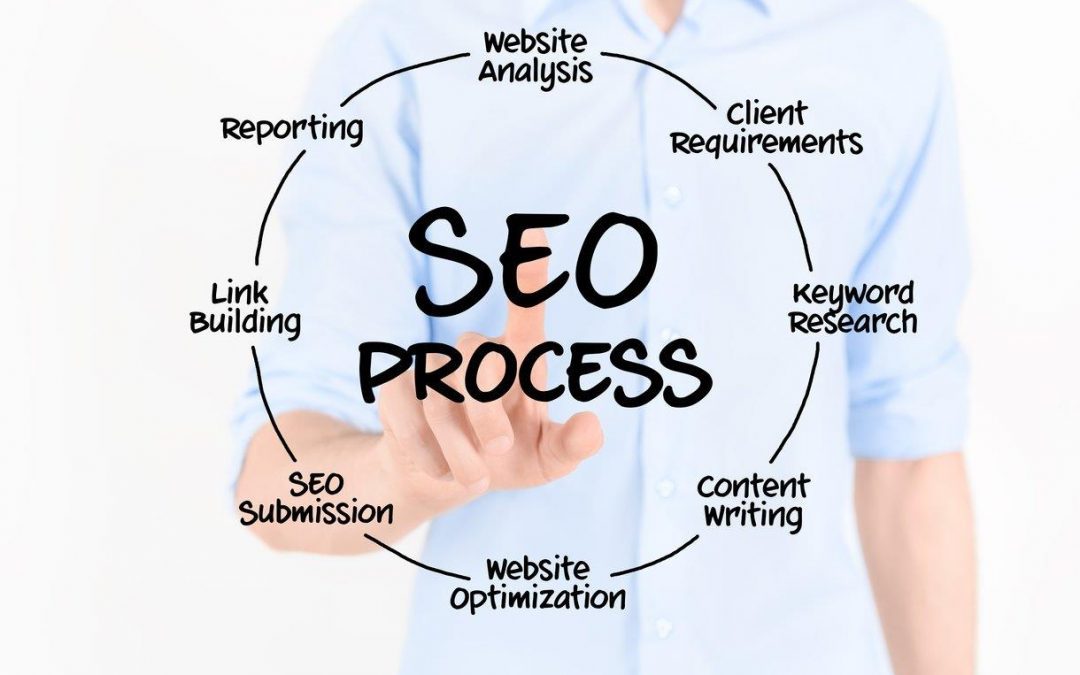
Organic search isn’t a mystery, but it’s complex. For many marketers and developers, organic search feels like a black box. SEO requires a unique mindset, and there’s often an initial learning curve to overcome preconceived notions. These 10 SEO tips will help you better understand the process and set realistic expectations.
1. SEO Isn’t Free
While you don’t pay for clicks in organic search, SEO still requires investment. Whether you have an in-house team or hire a consultant, the time and expertise needed for content creation, technical optimization, and link building come at a cost. An experienced SEO consultant can guide you through these processes.
2. SEO Takes Time but Provides Lasting Results
Unlike paid search, which generates immediate results, SEO takes time to gain traction. The timeline depends on your site’s current performance and competitive landscape. However, once SEO efforts take hold, they continue driving traffic long after implementation.
3. Changes Are Necessary for Improvement
Thinking or planning for SEO won’t improve your organic search performance. Results only come when site changes are implemented. As more pages and sections are optimized, performance improves progressively.
4. Search Engines View Your Site Differently
Search engines don’t experience your site like human visitors do. While your website may feature engaging visuals, animations, and intuitive navigation, search engine crawlers operate differently. They rely on text, code, and links to interpret your site’s content. Elements like JavaScript, AJAX, and certain forms of navigation can hinder a crawler’s ability to access information.
5. Site Optimization Is Essential
Optimizing your site means aligning it with search engine guidelines without sacrificing user experience. Some of your carefully crafted content or designs may need adjustments to ensure that search engines understand the relevance of your site. The more flexible you are with these changes, the better your SEO results will be.
6. SEO Isn’t About Writing for Robots
Although search engine crawlers are part of the process, your content should be created for real customers first. Good SEO connects the language on your site with the words your target audience uses, making your site more relevant to both search engines and visitors.
7. Technical SEO Requires Developer Support
Every business website needs some level of technical SEO work. While an SEO consultant can identify and outline the necessary changes, your developer will need to implement them. Clear communication between your SEO expert and developer is key to ensuring that changes align with SEO goals.
8. SEO Copy Doesn’t Have to Be Awkward
You’ve probably seen bad SEO copy — keyword-stuffed text that adds no real value. Modern SEO balances creativity with optimization, ensuring that copy is engaging, valuable to visitors, and aligned with search engine requirements. Your SEO team should be skilled in both copywriting and strategy.
9. User Experience and SEO Go Hand in Hand
SEO and user experience (UX) are interconnected. While SEO drives traffic to your site, UX ensures those visitors convert into customers. Successful SEO strategies balance both elements to create a seamless experience that benefits your audience and boosts conversions.
10. Rankings Aren’t Everything — Focus on Results
Rankings don’t always translate to success. High rankings for irrelevant terms won’t generate the leads or revenue you need. Instead, focus on performance metrics like traffic, conversions, and revenue. Your Google Analytics data provides a more accurate reflection of your SEO success.
Set Yourself Up for SEO Success
Understanding these principles before engaging with an SEO consultant will streamline the process and lead to better outcomes. However, even with this foundational knowledge, navigating the complexities of SEO can be challenging. An experienced SEO consultant can provide valuable guidance, ensuring your efforts lead to measurable success.
How an SEO Consultant Can Help Your Business
✅ Conducting Comprehensive Site Audits
An SEO consultant will analyze your website’s technical health, identifying issues that may hinder search engine performance. This includes evaluating page speed, mobile-friendliness, URL structure, and indexability.
✅ Developing a Tailored SEO Strategy
Every business is unique, and a one-size-fits-all SEO approach rarely works. Your consultant will create a customized strategy aligned with your business goals, target audience, and industry trends.
✅ Optimizing On-Page Elements
From title tags and meta descriptions to header structures and keyword placement, an SEO expert ensures your site’s content is optimized for both search engines and users.
✅ Technical SEO Implementation
SEO consultants work closely with your developer to implement technical changes that improve crawlability, site speed, and user experience. They’ll provide detailed requirements to ensure that all modifications align with best practices.
✅ Creating High-Quality, SEO-Optimized Content
Content plays a critical role in SEO success. A consultant can guide your team in developing valuable, keyword-rich content that resonates with your audience while improving search visibility.
✅ Building Authority Through Link Acquisition
Backlinks remain a vital ranking factor. An SEO consultant can identify relevant opportunities for acquiring high-quality backlinks that strengthen your site’s authority and credibility.
✅ Tracking and Analyzing Performance
SEO is not a one-and-done task — it requires ongoing monitoring and adjustments. Your consultant will analyze performance data, identify trends, and refine your strategy to maximize long-term results.
Why Partner with DJD Marketing?
At DJD Marketing, we offer a full range of digital marketing services, including SEO strategy, content development, and technical optimization. Our expertise helps businesses improve online visibility, drive traffic, and generate leads.
Contact us today to learn how we can help your business succeed with a results-driven SEO strategy!